

The battle for critical minerals on and near tribal homelands
As the Wasai Gakidag (September dry grass month) sun dawns over sacred Baboquivari Peak on the Tohono O’odham Nation, the desert begins another day of remembering the Cypress Tohono Mine Site, a water-polluted copper mine that will take 30 years and $126 million to rework back into meaningful homeland. The remediation of a 4-mile-long underground water plume of uranium, perchlorate, and sulfate contaminants is a reminder of the filthy business of mining. These polluting chemicals were used to remove copper from the ore, and dumped into two unlined pits downhill of the mine, which seeped into one of the Nation’s local Sonoran Desert aquifers. The mine shows no signs of operation, but reopening remains feasible.
The Tohono O’odham people consider water to be their actual relative, which they need to maintain an ongoing relationship with. According to a public USEPA/NPDES March 2019 permit fact sheet, Cyprus Tohono Corporation (CTC) has applied for renewal of its National Pollutant Discharge Elimination System. The request for renewal states “in the event that CTC begins treating and discharging wastewater,” suggesting the potential for reopening. The desert’s aquifer injuries and the 2024 National Tribal and Indigenous Climate Conference (NTICC) conference spaces displayed similar feelings of discomfort, because history appears to repeat itself while Indigenous homelands continue to bleed contaminants from their first extraction wounds. While this story doesn’t point to one clear answer or solution, it does suggest a different way forward—a path where water is treated like a living relative with rights.
The critical minerals rush sweeping across U.S. tribal homelands today feels eerily familiar, like a modern echo of the Manifest Destiny era, when Indigenous lands were seized and sacred ways of life were bulldozed under the guise of progress. At the 2024 NTICC gathering in Anchorage, Alaska, in a session focused on the current and potential future impacts of the critical minerals industry, a deep sense of powerlessness surfaced as one attendee posed a heart-wrenching question: Has anyone successfully stopped mining near their reservations? The room, filled with conference participants from across many U.S. Tribal Nations, fell silent. MJ Anderson, session moderator and critical minerals researcher with Johns Hopkins School of Advanced International Studies and Midwest Tribal Energy Resources Association, member of the Bad River Band of Lake Superior Chippewa, could only admit there was no clear answer.
The frustration in the room was palpable—a reminder that the fight for sovereignty is unending and as old as the Paha Sapa, the Black Hills of western South Dakota and northeastern Wyoming. This scramble for resources—copper, lithium, and even water—whether needed for solar cells, wind turbines, or defense technologies, echoes the relentless extraction that once ravaged the land under the guise of Manifest Destiny.
Just as Indigenous peoples once fought to protect their lands from railroad tracks and gold mines, today’s tribes face a new wave of environmental injustice. In this battle for critical minerals, Tribal sovereignty and environmental justice must remain at the heart of the discussion—as history is repeating itself.
Defending Sacred Landscapes: Lessons from the Desertron Rejection
During the late 1980s, the State of Arizona and the University of Arizona actively sought approval from the Tohono O’odham Nation to construct the world’s largest nuclear particle collider on their reservation, located along the border of southern Arizona and northern Mexico. The Superconducting Super Collider, nicknamed “Desertron,” aimed to establish dominance for the U.S. in physics research. The proposed 53-mile Desertron would consist of a 10-foot-wide concrete tunnel built approximately 80 feet underground (Dollar 1988, 5).
Arizona viewed Desertron as a chance for substantial economic growth, expecting an increase in state income by $8.4 billion and the creation of thousands of jobs (Dollar 1988, 4-8). But beneath these assurances lay inherent inconsistencies in perspectives on the world between the Euro-American scientific community and the O’odham people.
The Tohono O’odham Himdag, or worldview, teaches that nothing on the earth belongs to us; rather, we are partners with nature—not even critical minerals are exempt from this responsibility. The conception of a massive Desertron site carved into the O’odham homeland held deep significance for the Tohono O’odham people, being more than just a piece of land but a sacred place closely tied to their cultural and spiritual values. For the O’odham community, the plan to construct Desertron did not offer a chance for advancement, but rather a significant upheaval to their spiritual surroundings and customary livelihood, highlighting a conflict between the financial goals of the government and the cultural, religious, and ecological values originating from the Himidag, the O’odham belief system that emphasizes harmony with nature and supernature (spiritual), cultural preservation, and interconnectedness (Tohono O’odham Nation 1986, XVIII Environmental Policy, Sections 1, 2.).
In 1988, UA researchers held a meeting to introduce the project to Tohono O’odham elders, explaining the advantages with charts, graphs, and maps. Following the presentation, the O’odham leadership chose to stay quiet, adhering to the customary practice of taking time for reflection to carefully contemplate the proposal. The scientists mistakenly viewed this silence as a pause or uncertainty; however, it actually played a crucial role in the O’odham democracy, allowing all individuals to voice their opinions without any restrictions.
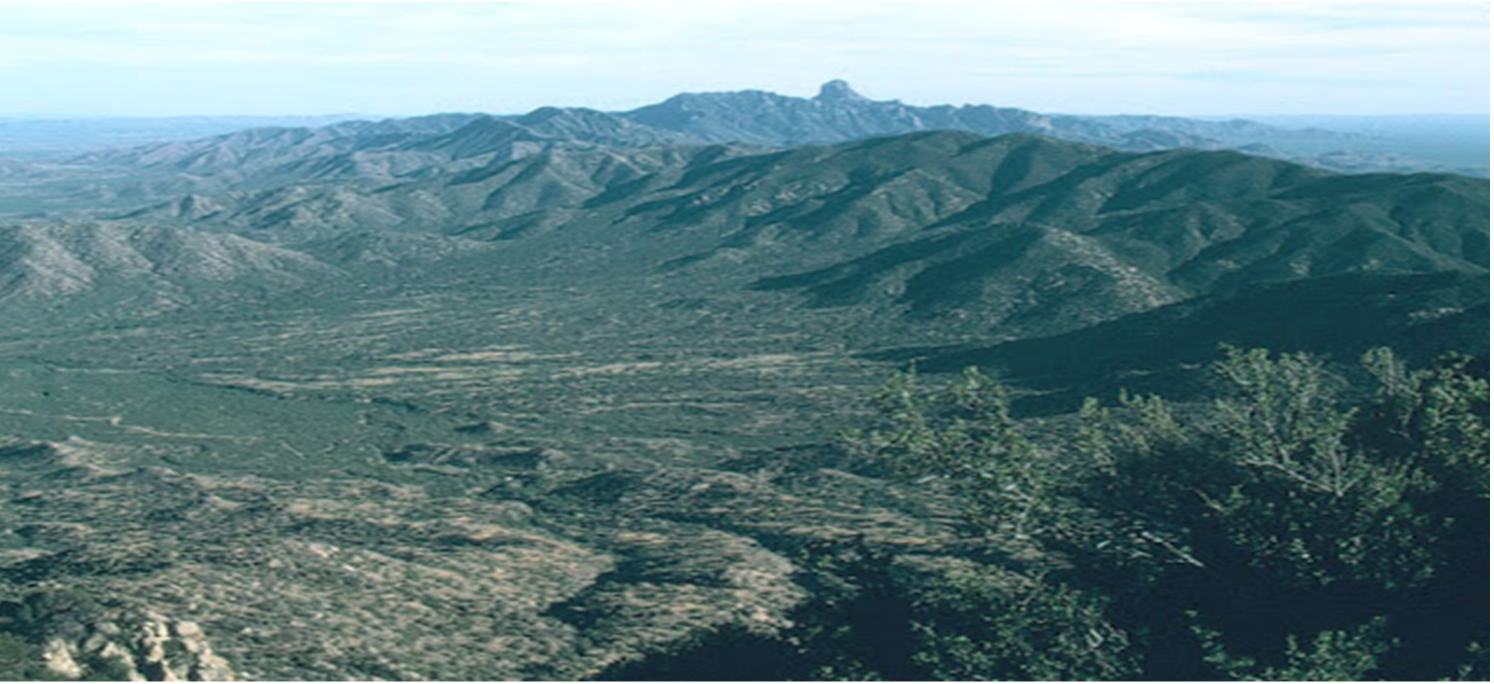
Interrupting the quiet, an Elder rose to pose a significant inquiry: “Does God want us to do this to the land?” (Pavlik 1998, 203). This inquiry, based on O’odham’s spiritual bond with the land, took the scientists by surprise. They were not ready to tackle the sacred sanctioning brought up by the Elder, so they simply repeated the benefits of the project in terms of economics and society. The elder kept on asking the same question. His appeal underscored the O’odham people’s strong belief in Himidag and the significance of sacredly sanctioning any endeavor that might harm the physical and spiritual environment, which included humans, flora and fauna.
More than a political decision, the rejection of the Desertron created an essential disagreement between two opposing worldviews. Modern technological and mineral booms, together with green development projects that do not respect sacred Indigenous homelands, can unbalance communities, which is a lesson that currently unsettles the new mineral boom and “green” development today.
Instead of being built on the Tohono O’odham Reservation, Desertron was built in Waxahachie, Texas. As project construction began, Desertron’s cost increased from an estimated $4.4 billion to more than $11 billion. In 1993, Desertron was terminated after the completion of only 14 miles. This instance highlighted the collision of two worldviews: one focused on economic and scientific advancement, and the other on preserving the environment and culture. The Tohono O’odham Nation decided against Desertron, prioritizing their spiritual bond with the land over economic gain. This choice highlighted the O’odham community’s dedication to protecting their homelands and a powerful message─ some advancements are not worth sacrificing sacred land for.
The Indigenous Critical Minerals Chessboard
The O’odham people’s decision to forgo economic gain to defend their ancestral lands gains even greater significance today, because of increasing demand for critical minerals that are considered essential to the economic or national security of the United States.
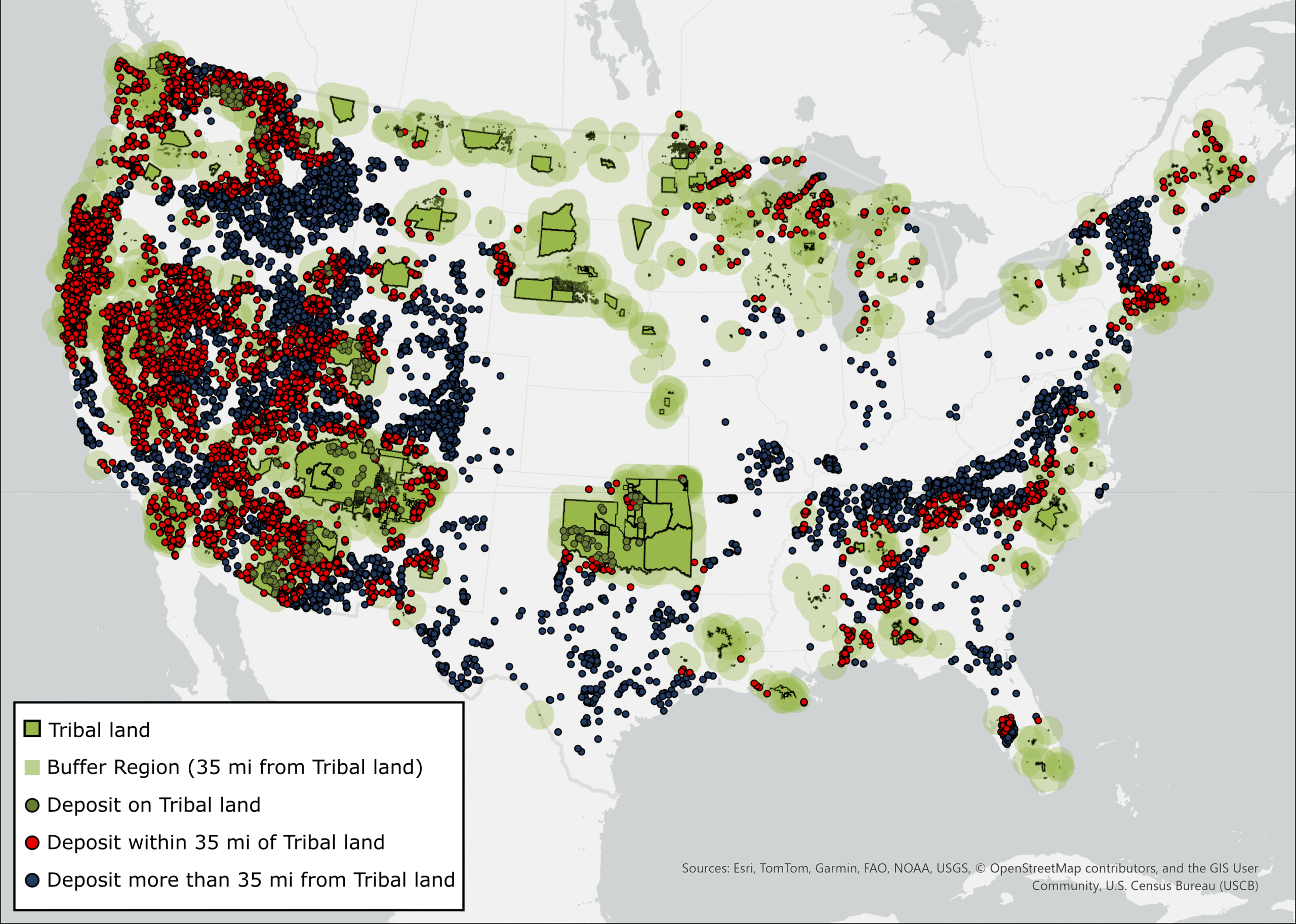
While the Trump Administration has moved away from climate-driven renewable energy goals, it is taking new steps to increase domestic mineral production. President Trump issued an Executive Order on March 20, 2025 to boost mineral production for national defense, imposing quick deadlines and authorizing expedited approvals for priority projects. Increased mining for critical minerals will particularly impact Tribal nations, as the United States holds most of its critical mineral reserves either beneath or adjacent to Native American tribal territories (MSCI 2021).
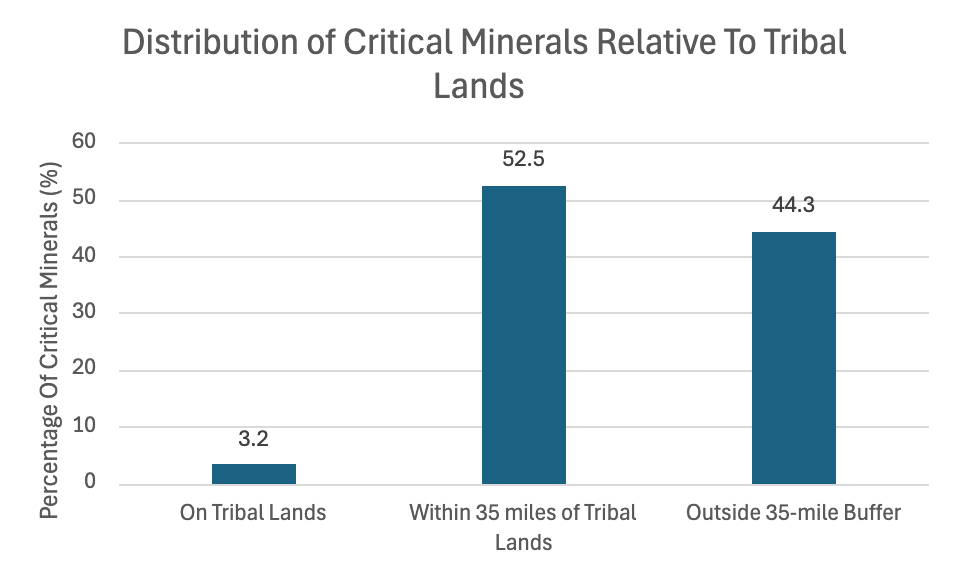
A preliminary analysis by Michael Charles, Ph.D., a citizen of the Navajo Nation and assistant professor at Cornell University, and Kushan Lahiri, a member of his research group, found that 3.2% of known mineral deposits in the United States fall within the boundaries of Tribally controlled lands based on the USGS Mineral Resource Data System (Michael Charles, personal communication, 1/16/2026). However, many areas located outside of reservation boundaries also hold importance to Indigenous peoples, and potential impacts of mining, such as water contamination, air pollution, noise, and increased traffic, are not isolated to the footprint of the mine itself.
Charles and Lahiri’s analysis found that an additional 52.5% of known mineral reserves in the U.S. are situated within 35 miles of a reservation boundary. Mining operations conducted on these adjacent sites will likely generate environmental damage that affects both mining sites and essential areas which safeguard Native American communities and their cultural and environmental heritage.
And the rules of this game are stacked against tribes. The General Mining Act of 1872, which continues to operate, allows private parties to claim mineral-rich lands at low costs without paying royalties to the federal government (U.S. Department of Interior 2023, 19). The existing legal system, together with ongoing misconceptions about mining as progress, creates obstacles for tribal nations to achieve complete control of their natural resources both inside and near their territories.
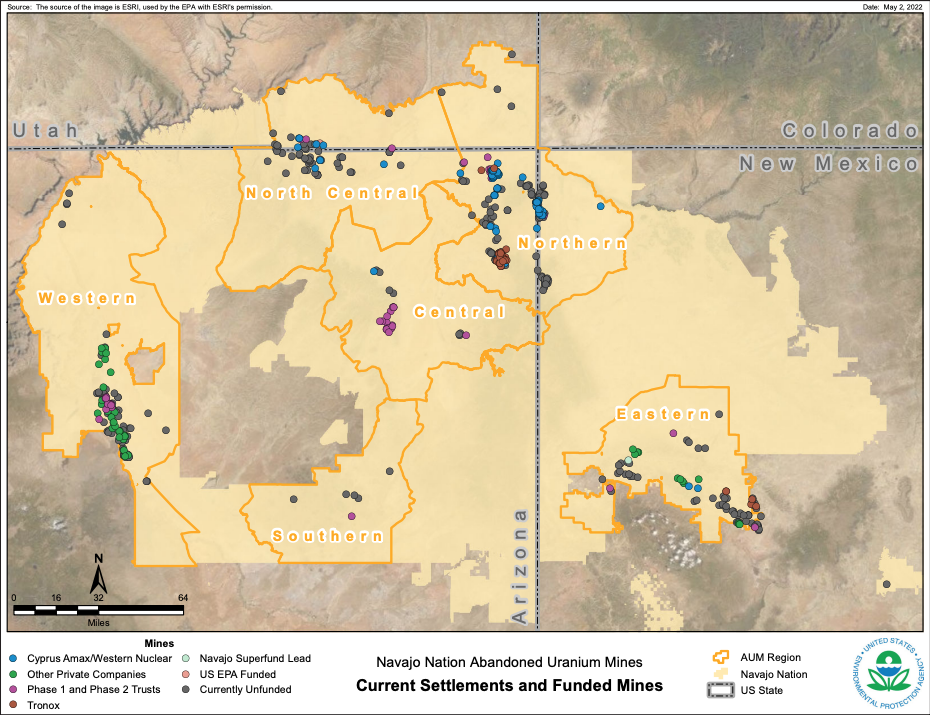
Mining on tribal lands has a history marked by environmental harm and enduring effects on Indigenous communities. Mining operations, such as extracting uranium on the Navajo Reservation, have caused extensive pollution of water and soil, leading to serious health problems, including cancer and respiratory ailments (Panikkar, B., & Brugge, D., 2007, 125). Along with harming the environment and human health, mining activities can lead to social problems like poverty, labor abuse, violence, and human trafficking, especially in regions close to mining worker residences known as “man camps” (Anderson, M. J, 2024).
Placing critical mineral mines on or near Indigenous territories is a strategic move, akin to a Manifest Destiny chessboard, steadily progressing. The Trump Administration’s 2025 executive order, which establishes fast-paced deadlines for execution, puts tribal sovereignty further at risk, marginalizing Native nations and their distinctive connections to their homelands as they balance the financial advantages of mining with the protection of their cultural and environmental values.
Critical Minerals Partnership: Rewriting the Colonial Playbook
Although mining and land development activities come at an environmental and cultural cost, they also provide financial benefits to tribes in the form of jobs and revenue. Native American territories have faced this conflict since the beginning because mining operations brought monetary gains, which resulted in the permanent destruction of their ancestral lands. The history of extraction in the United States has challenged tribal sovereignty through various events, starting from Georgia’s gold rush and Cherokee forced relocation up to contemporary mineral extraction activities (U.S. Department of Interior 2023, p. 21).
Today, important questions are being raised about how tribes can better manage valuable mineral extraction in ways that also represent their cultural values and economic interests. Andrew Curley, Ph.D., from the University of Arizona College of Mining, whose research focuses on the incorporation of Indigenous nations into colonial economies, suggested a more thought-provoking inquiry to the NTICC audience member’s question could be, “Has a tribe ever moved away from a resource that it has benefited from?” (Andrew Curley, personal communication, Oct. 21, 2024).
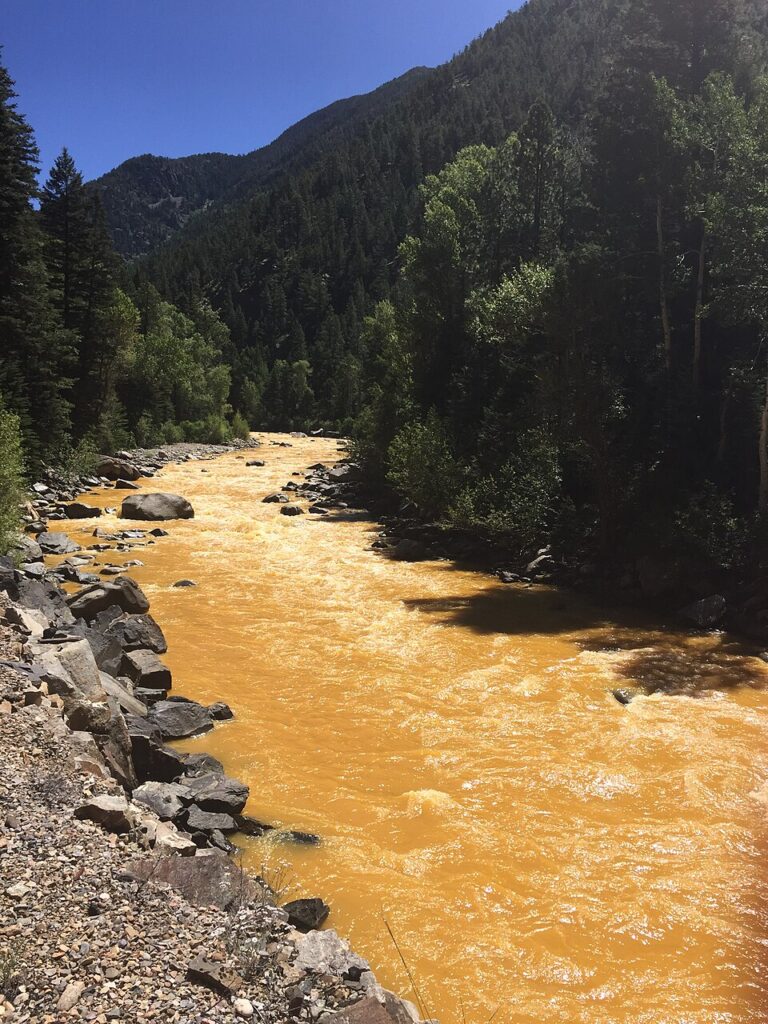
The Navajo Nation, which banned uranium mining and processing in 2005 as a protective measure for their lands and people, is an example of a tribe that moved away from a valuable resource in response to negative health and environmental impacts, including the Gold King Mine Spill. More recently, however, outside forces have managed to undermine these achievements through secret agreements and economic requirements.
In July 2024, Federal inspectors discovered uranium waste transportation by trucks on Navajo roads. The operators failed to obtain consent or provide disclosure, which violated both the 2006 ban and safety standards. Through public statements, Navajo Nation President Buu Nygren expressed tribal unity and advocated for Diné territory protection from pollution while continuing the ongoing community battle against uranium mining, which started during the Cold War period. However, in January 2025, Nygren executed a deal with Energy Fuels to transport Pinyon Plains Mine uranium ore from Arizona through their territory to the White Mesa mill in Utah. The agreement has triggered broad opposition from nuclear opponents because it seems to enable new mining activities near the sacred Mount Taylor (Tsoodzil). For many Diné people, this also reactivates past traumas related to health and environmental damages caused by the mining activities.
Tribal Pushback vs. Manifest Destiny 2.0
Indian Country has seen a renewed interest in green economy development which has brought back questions about resource extraction benefits distribution. The current critical minerals rush can be thought of as Manifest Destiny 2.0—a new wave of outside interests seeking access to Native lands under the banner of clean energy. The way people speak has evolved but the fundamental difference in power between the two groups continues to exist.
In 1979, the largest U.S. accidental release of radioactivity occurred in Church Rock on the Navajo Nation. The disaster stands as the biggest radioactive material and contamination release in U.S. history, according to multiple federal and historical assessments which surpass the Three Mile Island nuclear accident in total radioactive output. The spill, which affected a large area and caused enduring health and environmental damage to Navajo communities, failed to gain sufficient national media coverage because it demonstrated typical environmental injustices which affect Native American territories (Brugge, D. Delemos, J. L., & Bui, 2007).

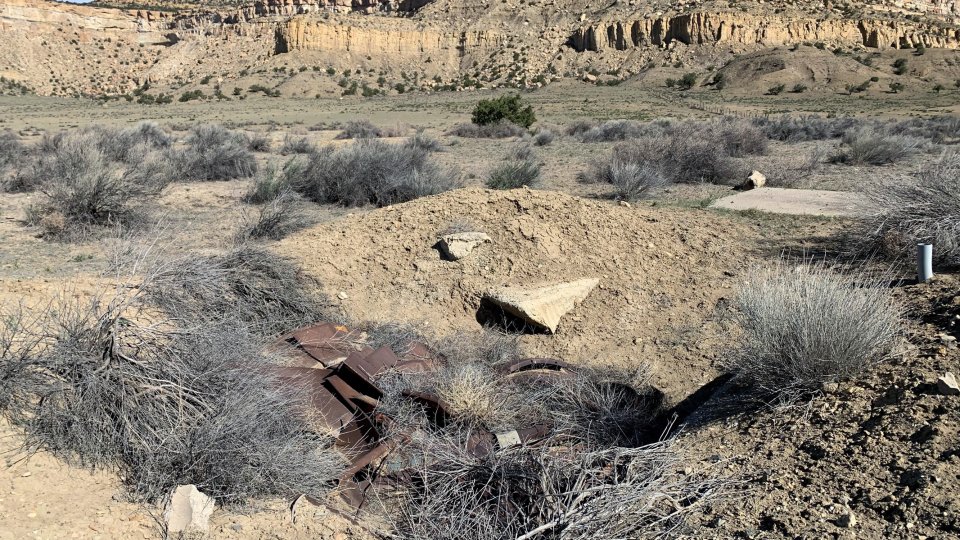
The Church Rock spill, together with present-day statements from Navajo Nation leaders and a new uranium project at Church Rock currently under review, demonstrates that uranium mining operations continue to cause ongoing harm to the community. Any decisions about starting new uranium mining operations must address the ongoing problems which include uncompleted cleanup work and health risks for local residents, and the lack of trust between the community and authorities.
The Navajo Nation faces an internal conflict which represents a common challenge that numerous Native American tribes encounter between accepting immediate financial benefits from extraction and protecting their already damaged territories. The discussion for Indigenous supporters reaches past mining operations because it encompasses their right to self-governance and wellness, and their ability to create lasting development. As one NTICC speaker noted, “The same forces that once claimed our lands for gold now come for lithium and uranium.”
Although mining and land development activities come at an environmental and cultural cost, they also provide financial benefits to tribes in the form of jobs and revenue. The U.S. government and mining companies maintain the pursuit of uranium mining on Navajo territory. The colonial system of domination transforms its operations with each new resource extraction boom, starting with uranium in the 1950s and continuing through lithium and copper in the present day. The Diné Resource Protection Act of 2005, along with other tribal bans, have not stopped federal agencies and mining companies from evading Indigenous laws.
Utilizing Tribal Sovereignty to Safeguard Indigenous Culture during the Shift to a Sustainable Economy: What might a more “just transition” look like?
Historically, policies on green resource development near Indigenous tribal lands have frequently neglected Indigenous viewpoints. The government classifies tribal participation in sustainable development, such as mineral extraction, as either favorable or hindering depending on economic, cultural, and environmental considerations. A clash exists between Indigenous self-rule and federal management of mineral resources, highlighting differing perspectives on cultural diversity. This confrontation offers a chance to create a framework that acknowledges the rights of Native nations to safeguard their lands and customs. The core issue revolves around determining which group will establish the definition of progress while deciding which knowledge base will lead to sustainable development.
“Representation matters,” said Dr. Michael Charles, a citizen of the Navajo Nation and assistant professor at Cornell University. “Science operates through the values which scientists create during the development of scientific frameworks. I see that vulnerable communities are often left out of decision-making. I work to train more Indigenous scientists who will bring community values into their laboratory research. Science needs to understand that all advancements do not bring benefits when they result in damage to human beings and environmental systems. Science sovereignty involves developing knowledge that delivers advantages to the populations under investigation.”

Even with limitations, the importance of U.S. tribal sovereignty in protecting tribal culture during a transition to a sustainable economy is still significant. It enables tribes to defend their territories, assets, and culture in spite of federal control. By exercising their authority, tribes have the power to influence mineral development policies in accordance with their principles. Just as the Tohono O’odham exercised their sovereignty in the case of the Desertron proposal, Tribes today need sovereignty in order to lead the shift to renewable energy while maintaining cultural preservation and future goals.
“Desertron illustrates the importance of tribal sovereignty,” said Andrew Curley, citizen of the Navajo Nation and Associate Professor in the School of Geography, Development and Environment at the University of Arizona. “Sovereignty is a legal vehicle that tribes have that other groups seeking environmental justice do not . . . although not perfect . . . it can protect the tribes from outside interests that might negatively impact a tribe through development.”
And just as the World Health Organization (United Nations) has broadened its understanding to include spirituality as a component of health, the mining industry and governments can expand their understanding of land and resources to respect both the natural and supernatural dimensions valued by Indigenous communities. A just transition for Indigenous peoples in the critical mineral sector must respect these spiritual ties, ensuring that policies are not only economically and environmentally sound but also spiritually respectful and aligned with Indigenous values.
“When you have a relationship with place, and it’s foundational for your people, it’s part of the existential definition of those people and the places they are from and inhabit, then you take a more measured, careful approach,” Curley said. “Some would even say a conservative approach to mineral extraction.”
By welcoming a variety of methods for extracting critical minerals, which honor Indigenous care of the environment, we could achieve fairer results. Opportunities include engaging in less damaging forms of mining, recycling crucial minerals from electronic waste, using new methods to extract materials from existing mine tailings, and other options that concentrate activity on already disturbed lands. Because the critical minerals “boom” is not just another environmental issue — it is the all-too-familiar continued struggle for sovereignty.
“Tribal sovereignty stands as the key factor which determines whether Indigenous nations will lead the renewable energy shift or stay outside the transition process,” Charles said. “The location of mineral resources in relation to tribal lands requires tribes to understand how treaties and governance systems should direct their decisions. A nation needs to have the power to direct its resources and the duty to stop future historical injustices by preventing forced relocation and property confiscation. People must grasp their sovereignty power to exercise it effectively because this requires collective action for decision-making that represents public will instead of financial expediency.”
REFERENCES
Anderson, M.J. (2024).The critical materials industry: Energy transitions and net-zero emission (NZE) scenarios [Conference presentation]. 2024 National Tribal and Indigenous Climate Conference, Midwestern Tribal Energy Resources Association; Johns Hopkins School of Advanced International Studies.
Brugge, D., delemos, J.L., (2007). The Sequoyah Corporation fuels release and the Church Rock spill: Unpublished Nuclear Releases in American Indian Communities. American Journal of Public Health, 97(9), 1595_1600. https://doi.org/10.2015/AJPH.2006.100379
Brugge, D., & Goble, R. (2002). The history of uranium mining and the Navajo people. American journal of public health, 92(9), 1410–1419. https://doi.org/10.2105/ajph.92.9.1410
Charles, M., & Lahiri, K. (2025). Proximity of U.S. minerals deposits to Tribal lands [Map]. Zenodo. https://doi.org/10.5281/zenodo.18273774
Dollar, D. (1988). Tohono O’odham resistance to the Superconducting Super Collider: Sovereignty and sacred land protection. Tribal Sovereignty Journal, 4(1), 4-5.
MSCI. (2021). Mining energy transition metals: National aims, local conflicts.MSCI Research and Insights. https://www.msci.com/research-and-insights/blog-post/mining-energy-transition-metals-national-aims-local-conflicts
Myles, D. (2024, February 26). Critical minerals’ tribal dilemma. fDi Newsletter. https://www.fdiintelligence.com/content/cf820c9d-ed3d-574c-bc60-4a66f68cb79a
Panikkar, B., & Brugge, D. (2007). The ethical issues in uranium mining research in the Navajo Nation. Accountability in Research, 14(2), 121-153.https://doi.org/10.1080/08989620701290473
Pavlik, S. (1998). The Tohono O’odham Nation’s rejection of the Superconducting Super Collider: Cultural and environmental implications. Indigenous Peoples and Environmental Protection, 3(2), 201-210.
Tohono O’odham Nation. (1986, March 6). Tohono O’odham Constitution: XVIII Environmental Policy. https://nptao.arizona.edu/sites/default/files/tohono_oodham_constitution_0.pdf
Tohono O’odham Nation v. United States Department of Interior. Tohono O’Odham Nation v. United States Dep’t of Interior, No. CV-24-00034-TUC-JGZ (D. Ariz. Apr. 16, 2024)
Toniol, R. (2021). The World Health Organization’s production and enactment of spirituality. In D. O. Moberg & R. L. Piedmont (Eds.), Handbook of religion, medicine, and health (pp. 235-250). Oxford University Press.
U.S. Department of Agriculture (USDA). (2017). Climate change and Indigenous peoples: A synthesis of current impacts and experiences (General Technical Report PNW-GTR-944).
Pacific Northwest Research Station. https://www.climatehubs.usda.gov/sites/default/files/Norton-Smith%20pnw_gtr944.pdf
U.S. Department of Energy. (2022). Critical Minerals and Materials: US Department of Energy’s Strategy to Support Domestic Critical Mineral and Material Supply Chains. https://www.iea.org/policies/15533-critical-minerals-and-materials-us-department-of-energys-strategy-to-support-domestic-critical-mineral-and-material-supply-chains
White, R. (2013). Resource extraction leaves something behind: Environmental justice and mining. International Journal for Crime, Justice and Social Democracy, 2(1), 50-64.
U.S. Department of the Interior (2023). Final Report: Recommendations to Improve Mining on Public Lands. https://www.doi.gov/sites/default/files/mriwg-report-final-508.pdf
U.S. Environmental Protection Agency. (2023). Abandoned uranium mine settlements on or near the Navajo nation [Map]. https://www.epa.gov/system/files/documents/2023-02/epa-factsheet-abandoned-uranium-mine-settlements-on-the-navajo-nation.pdf