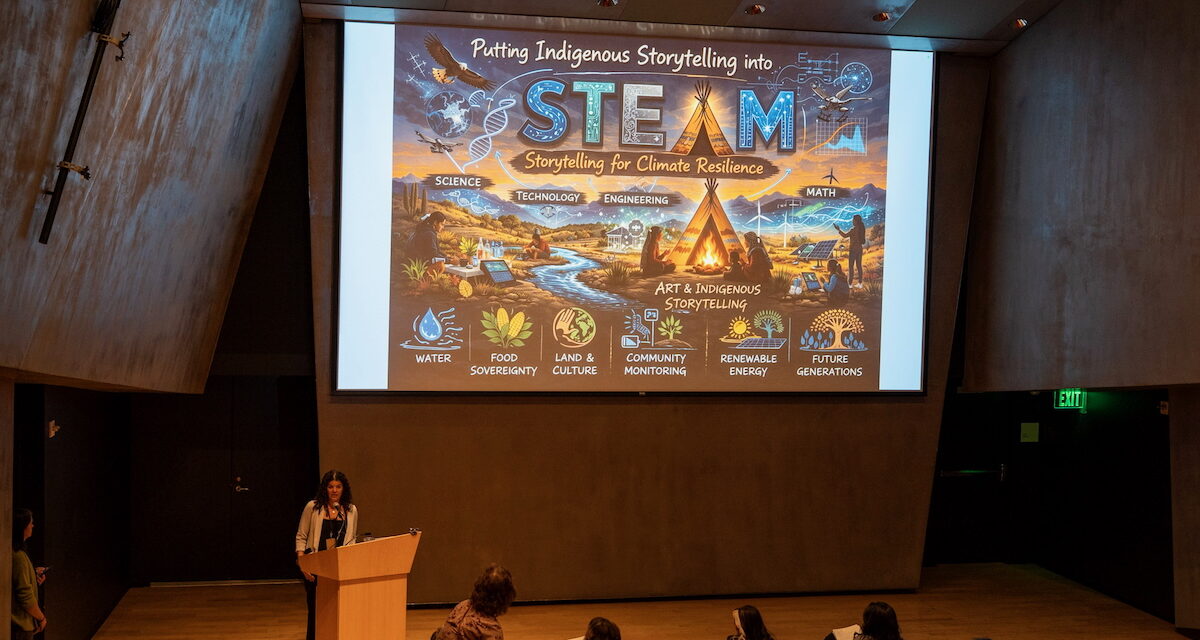
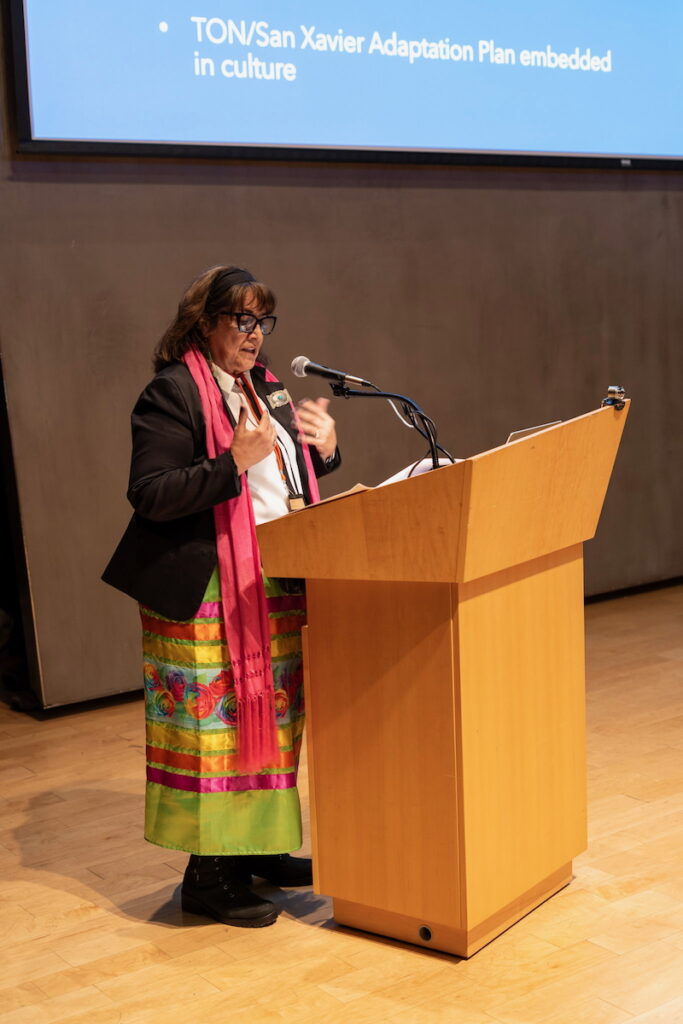
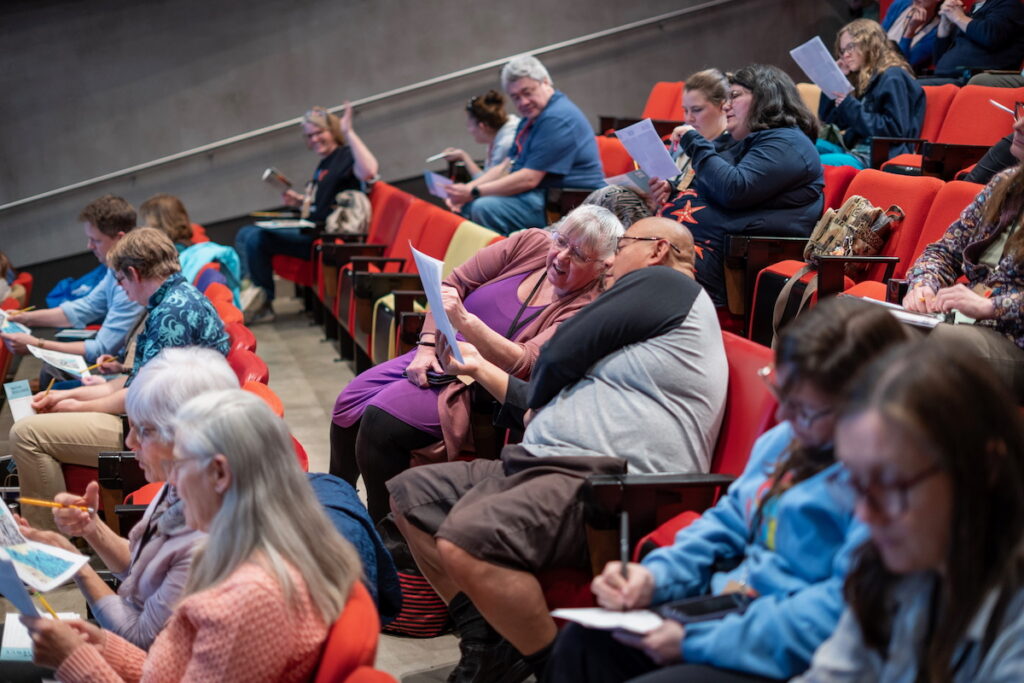
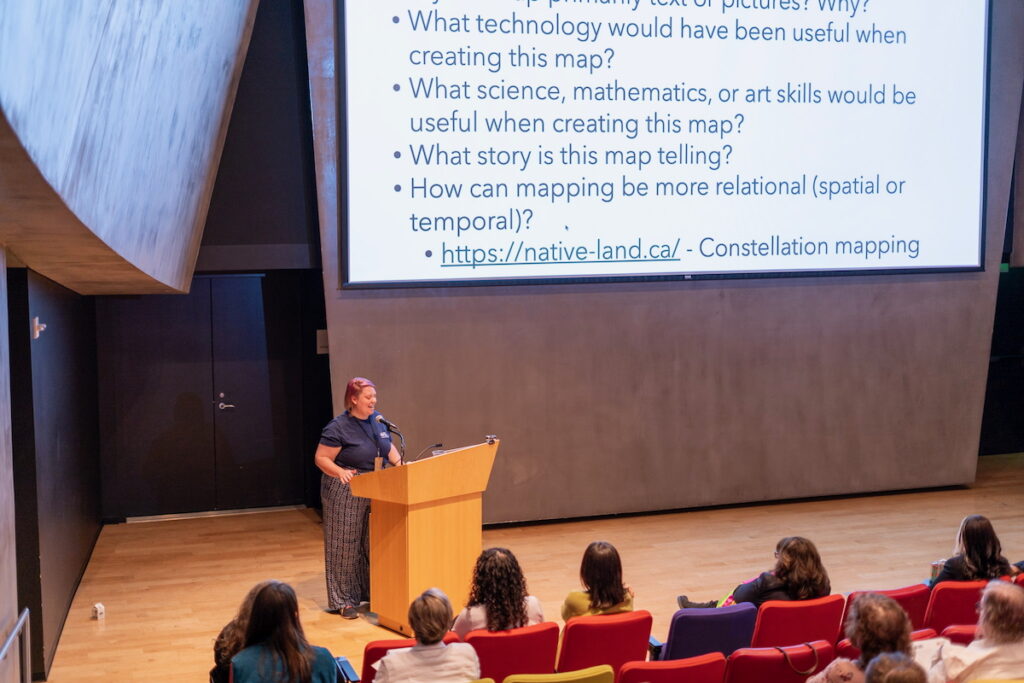
Above: Emily McDonald-Williams, Director of STEM Education program at DRI, welcomes educators to the session on Indigenous Storytelling in STEAM. Credit: Tsvetelina Stefanova/DRI.
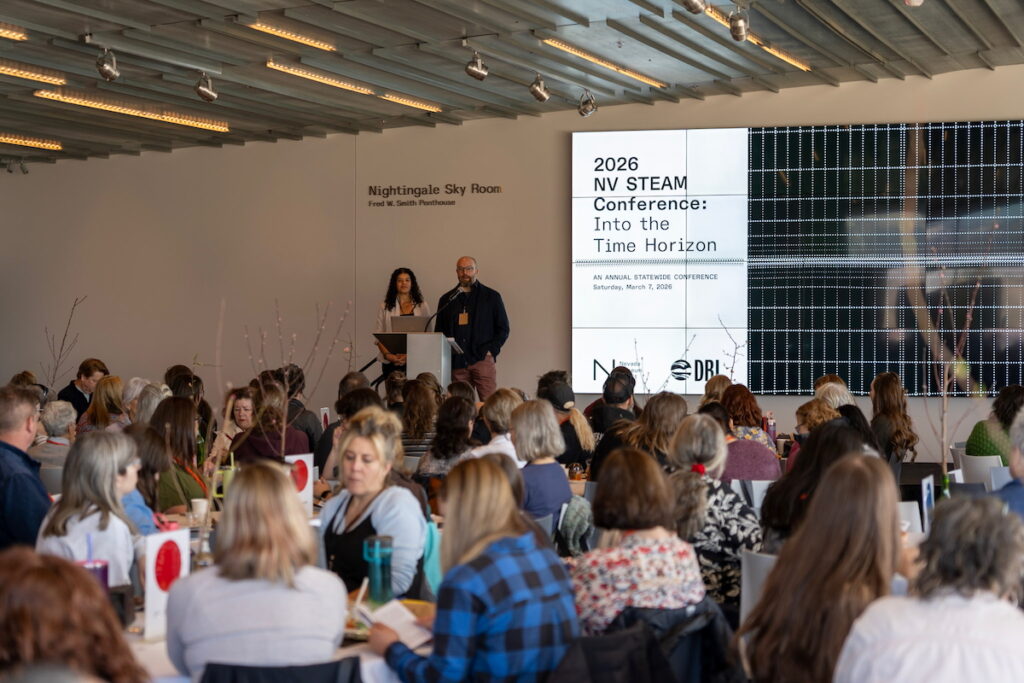
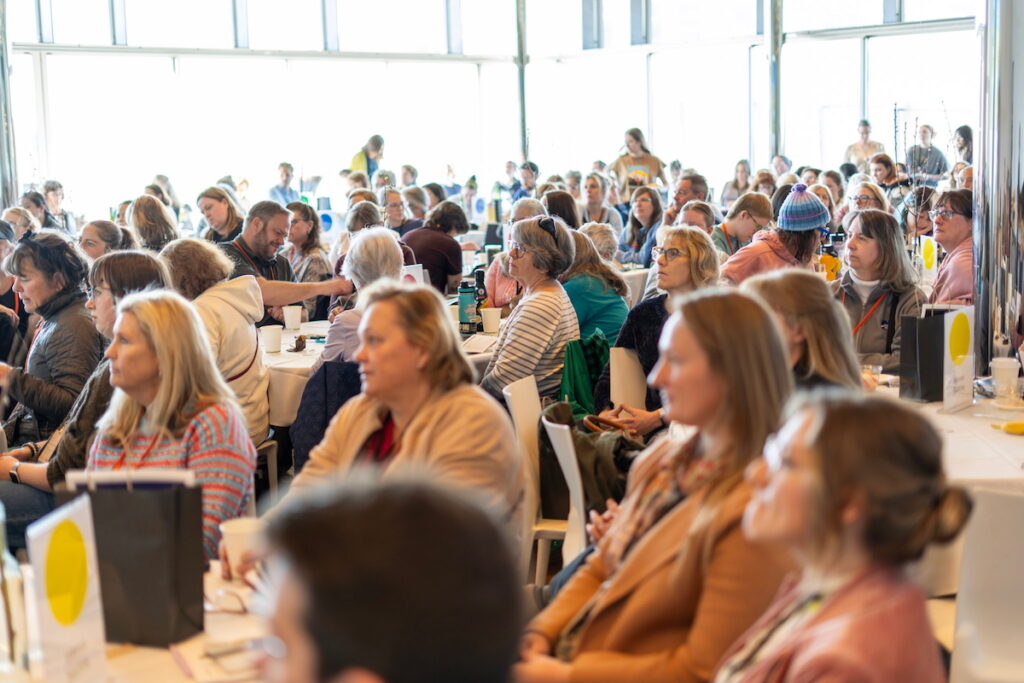
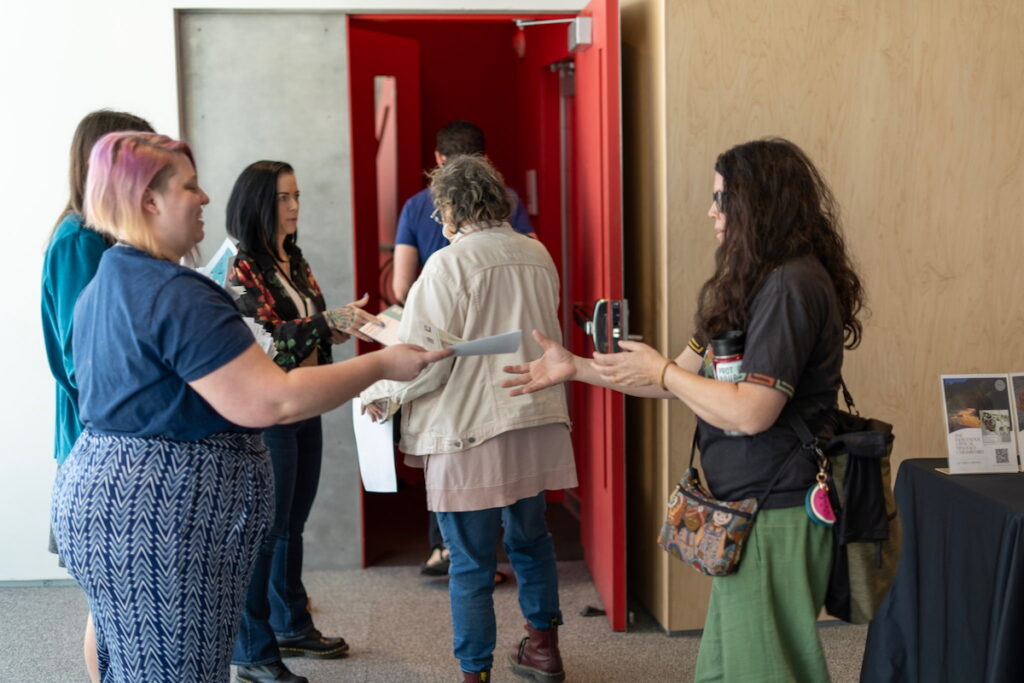
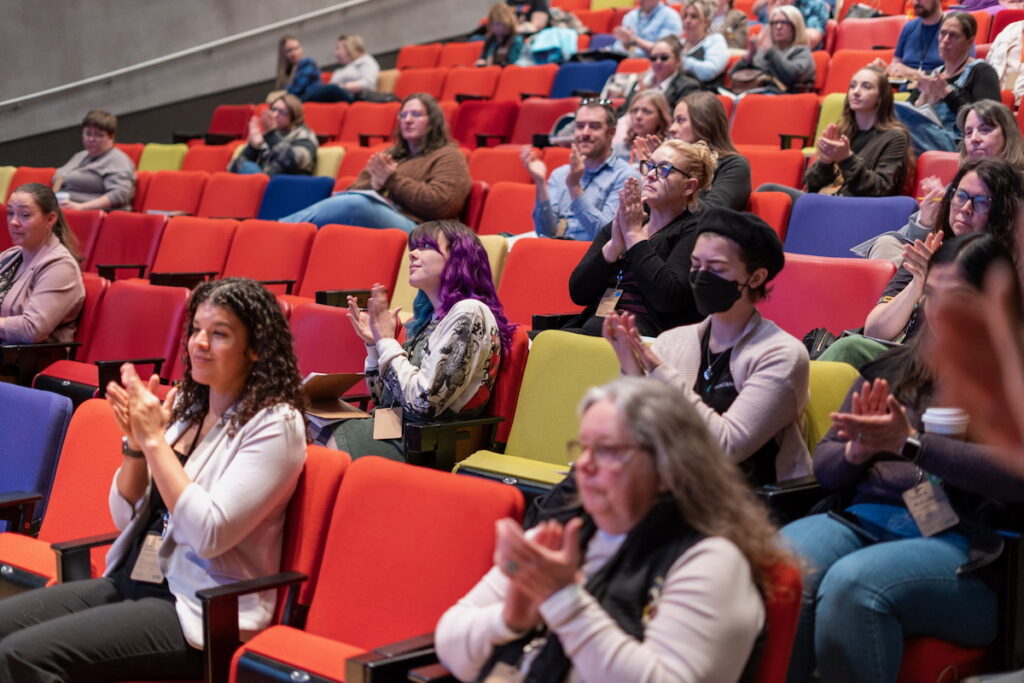
Last month at the Nevada Museum of Art, a few hundred K-12 teachers from across Nevada gathered on a Saturday morning to contemplate STEAM—the idea that students’ understanding of STEM (science, technology, engineering and mathematics) can be complemented and strengthened by incorporating the arts. The 2026 NV STEAM Conference, cohosted by the Desert Research Institute (DRI), also included a Friday night open house at the DRI campus.
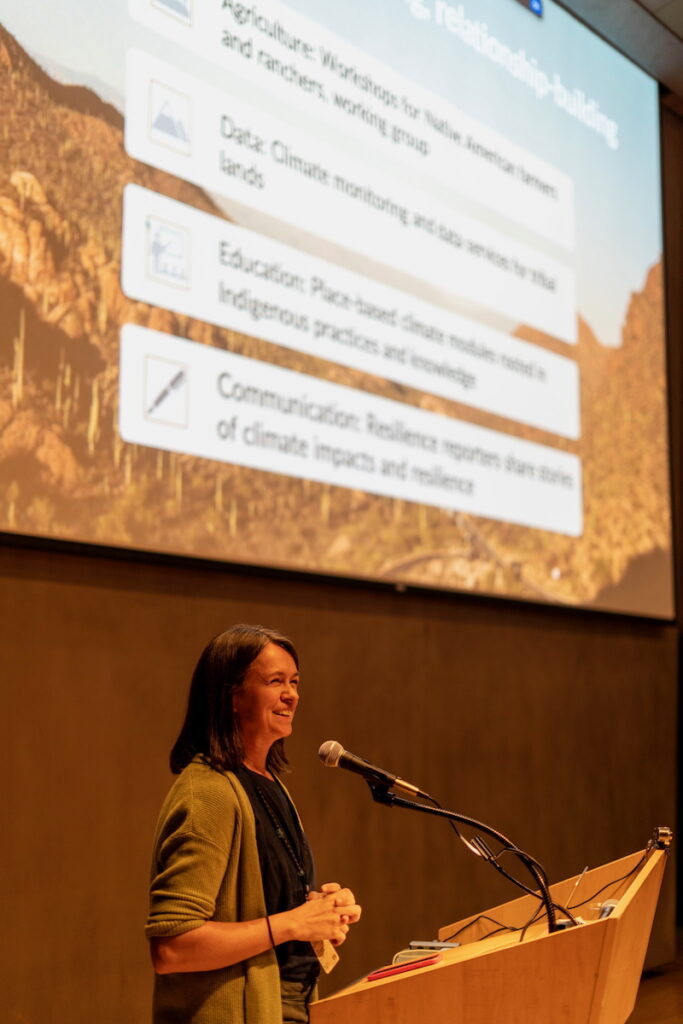
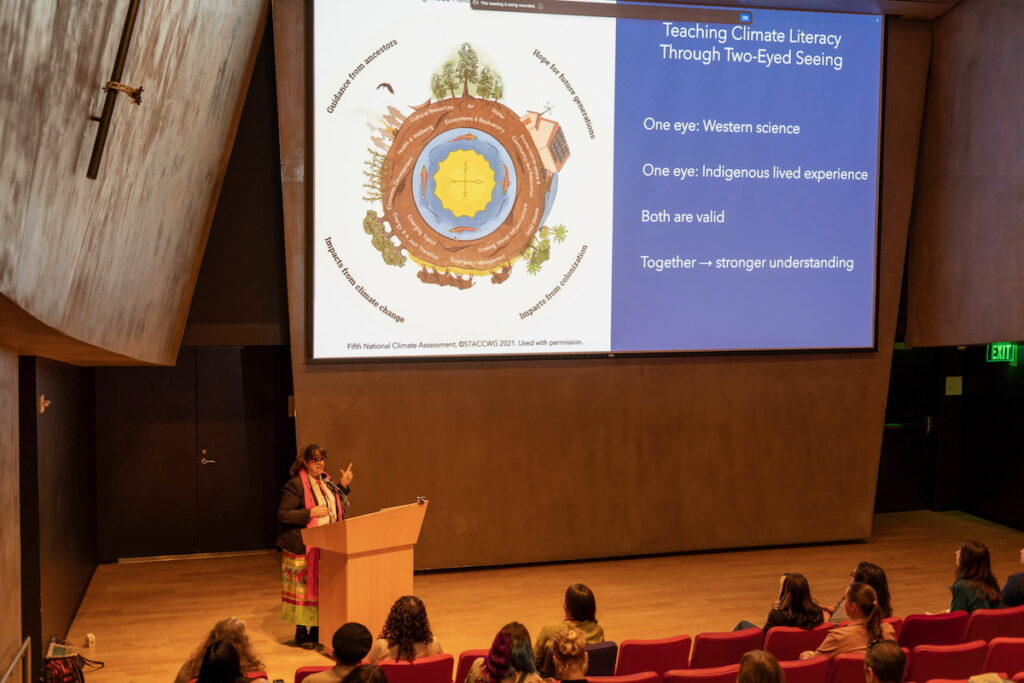
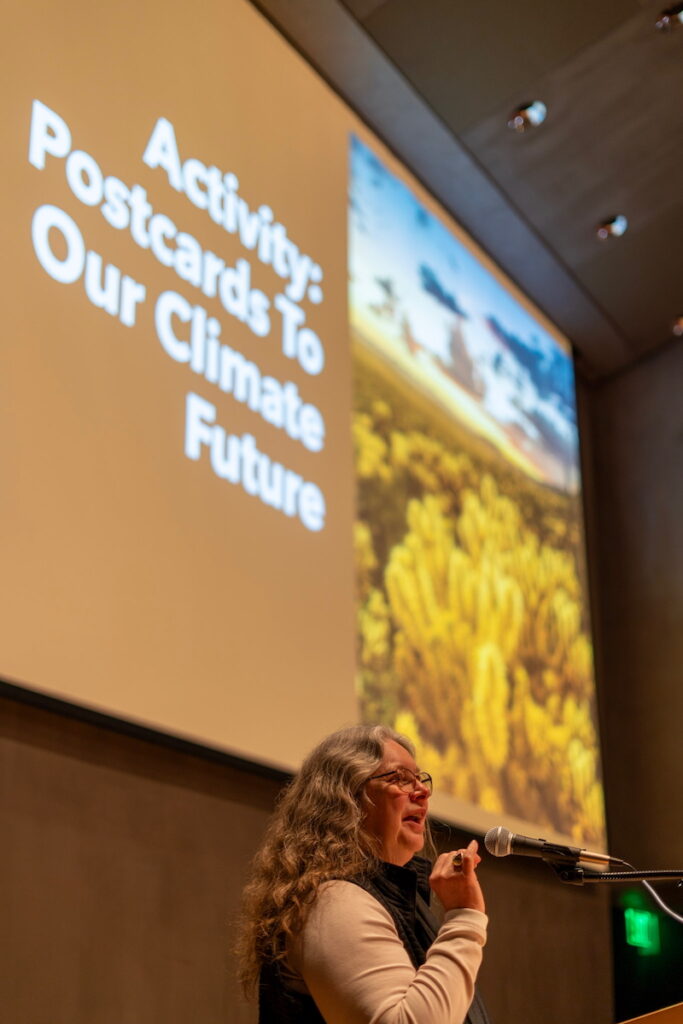
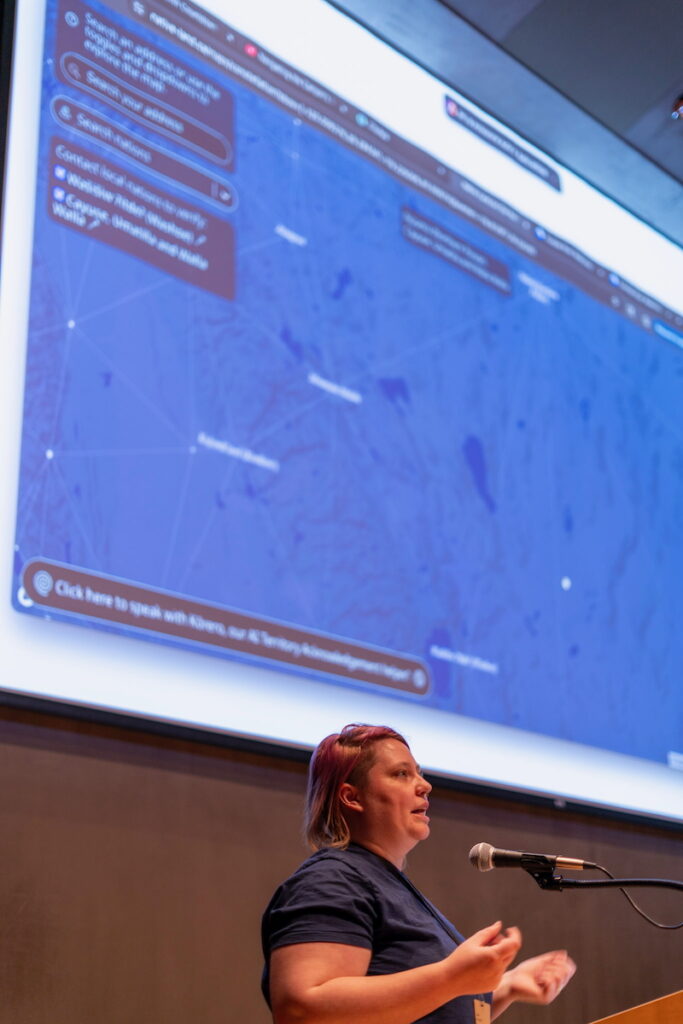
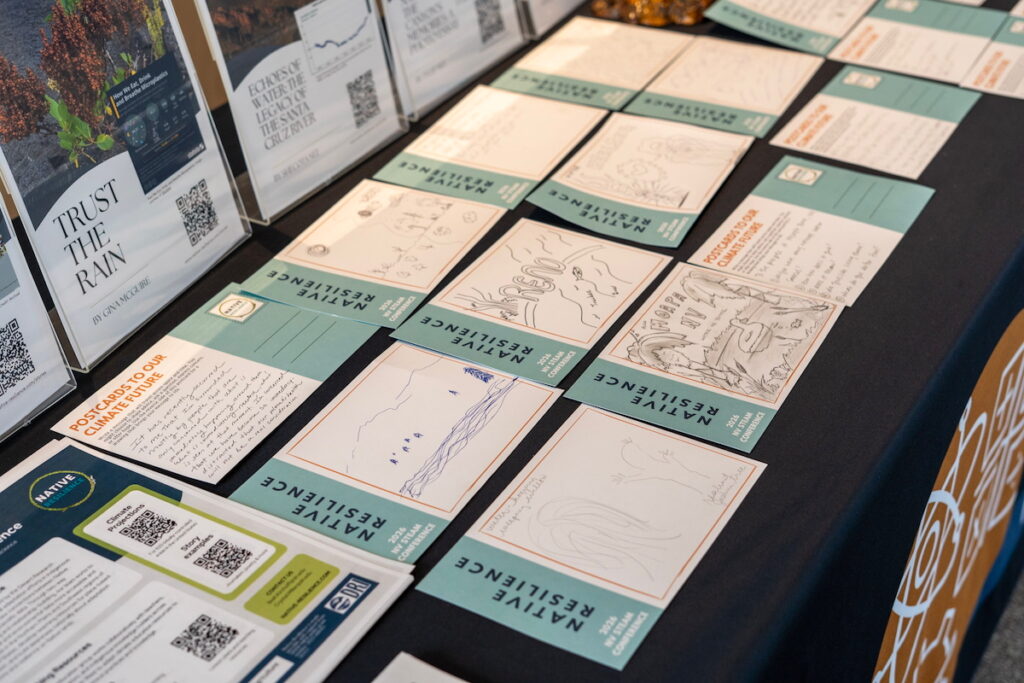
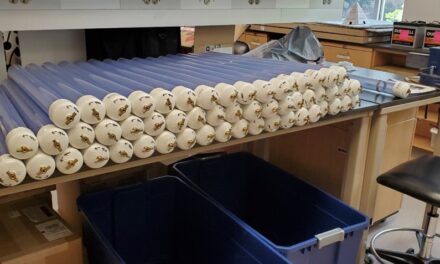
As part of the conference, the Native Resilience project led two sessions titled “Storytelling for Resilience: Bridging Indigenous Knowledge and Climate Science,” highlighting how our project uses storytelling to spread awareness about climate-related challenges and resilience in Indigenous communities. Native Resilience team members shared information about our resilience reporters program, as well as story examples, hands-on activities, and supporting K-12 educational curriculum from Native Resilience’s teaching resources and DRI’s Green Box Program.
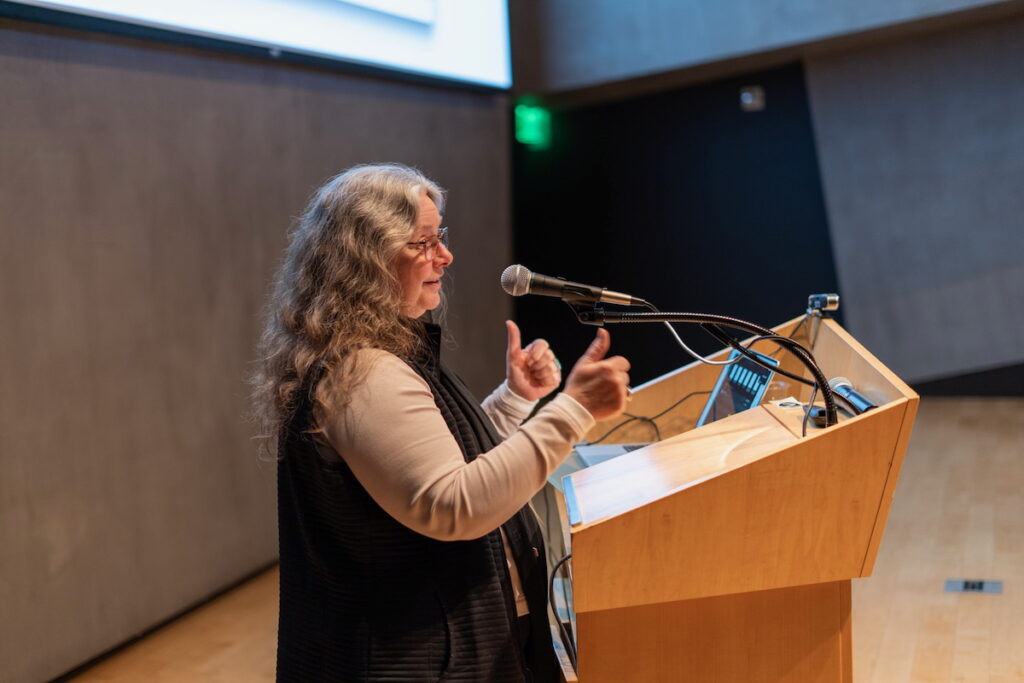
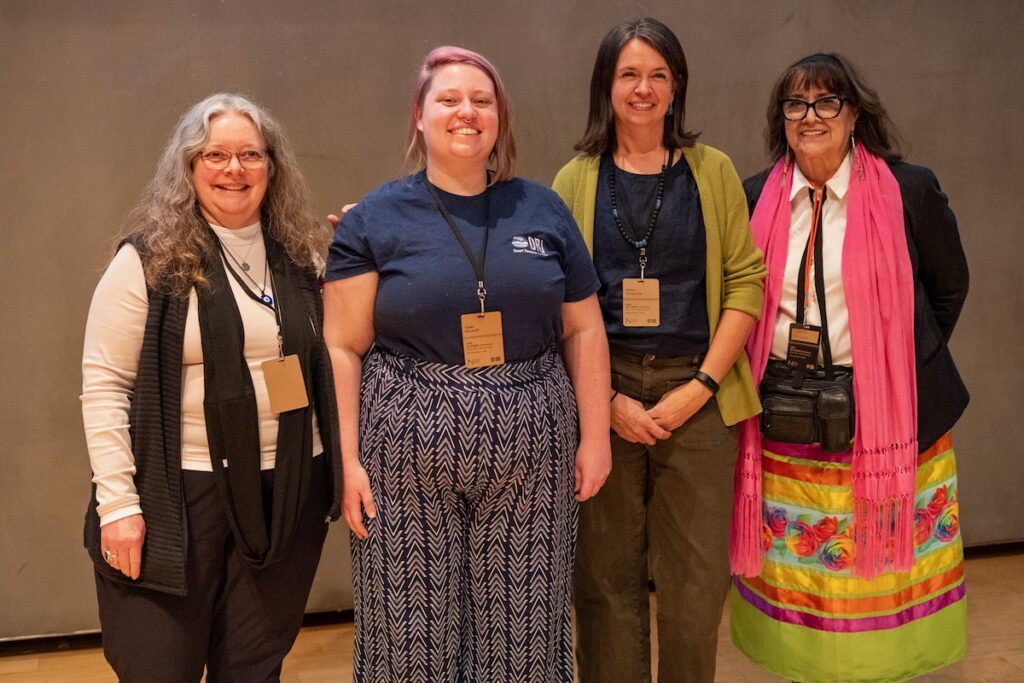
Presenters from the Native Resilience team included Program Director Maureen McCarthy, Resilience Reporter Mary Wilson, Communication Coordinator Kelsey Fitzgerald, and Educational Engagement Coordinator Ileah Kirchoff. Other speakers included DRI STEM Education Specialist Cara Schaefer, artist Oscar Tuazon, and representatives from the Nevada Museum of Art.
Photos
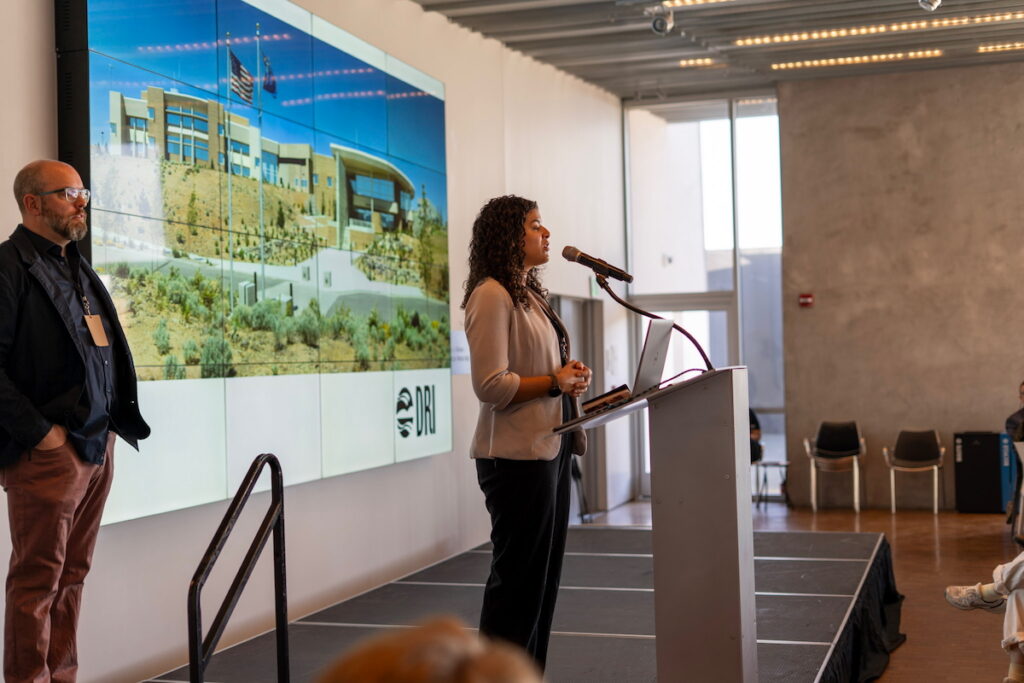
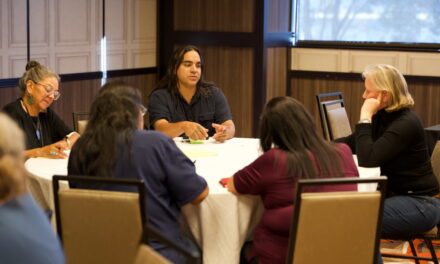
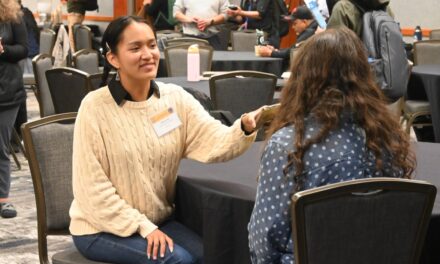
Colin Roberston, Senior Vice President of Education and Research at the Nevada Museum of Art, and Emily McDonald-Williams, Director of STEM Education program at DRI, welcome educators to the 2026 NV STEAM Conference. Credit: Tsvetelina Stefanova/DRIEmily McDonald-Williams, Director of STEM Education program at DRI, welcomes educators to the 2026 NV STEAM Conference. Credit: Tsvetelina Stefanova/DRINevada’s K-12 educators gathered at the Nevada Museum of Art on March 7th to explore ideas and educational strategies to incorporate STEAM into teaching. Credit: Tsvetelina Stefanova/DRINevada’s K-12 educators gathered at the Nevada Museum of Art on March 7th to explore ideas and educational strategies to incorporate STEAM into teaching. Credit: Tsvetelina Stefanova/DRINative Resilience Communication Coordinator Kelsey Fitzgerald introduces the Native Resilience project at the 2026 NV STEAM conference. Credit: Tsvetelina Stefanova/DRINative Resilience Reporter Mary C. Wilson presents on teaching climate literacy through two-eyed seeing at the 2026 NV STEAM conference. Credit: Tsvetelina Stefanova/DRINative Resilience Reporter Mary C. Wilson presents at the 2026 NV STEAM conference. Credit: Tsvetelina Stefanova/DRIK-12 educators attend conference session Indigenous Storytelling. Credit: Tsvetelina Stefanova/DRINative Resilience Program Director Maureen McCarthy leads the “Postcards to our Climate Future” activity during the 2026 NV STEAM conference. Credit: Tsvetelina Stefanova/DRINative Resilience Program Director Maureen McCarthy leads the “Postcards to our Climate Future” activity during the 2026 NV STEAM conference. Credit: Tsvetelina Stefanova/DRIK-12 educators attend conference session on Indigenous Storytelling. Credit: Tsvetelina Stefanova/DRI Ileah Kirchoff of Native Resilience/DRI presents educational resources during the Storytelling for Resilience session at the 2026 NV STEAM conference. Credit: Tsvetelina Stefanova/DRIIleah Kirchoff of Native Resilience/DRI presents educational resources during the Storytelling for Resilience session at the 2026 NV STEAM conference. Credit: Tsvetelina Stefanova/DRI“Postcards to Our Climate Future,” from a hands-on activity during the Storytelling for Resilience session. Credit: Tsvetelina Stefanova/DRINative Resilience team members (L to R) Maureen McCarthy, Ileah Kirchoff, Kelsey Fitzgerald, and Mary C. Wilson. Credit: Tsvetelina Stefanova/DRI